


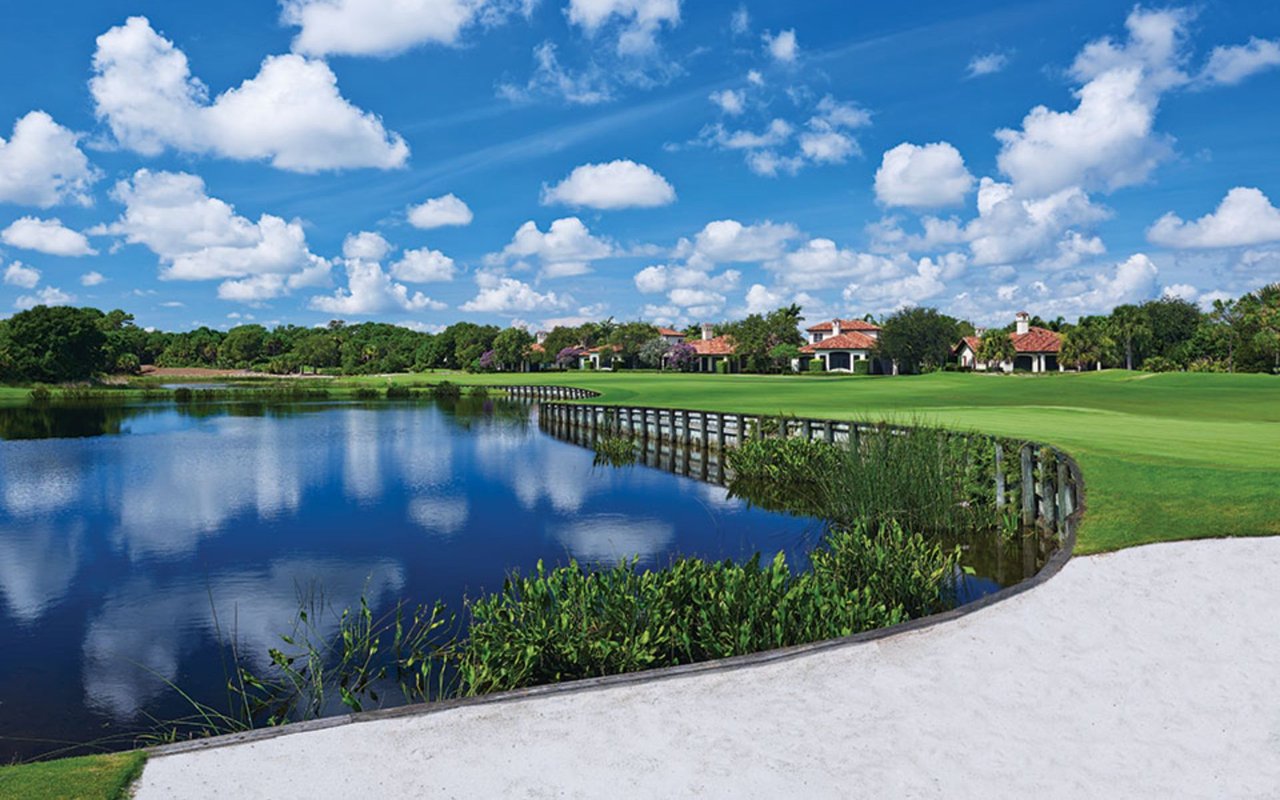




PRIVATE RESIDENCE CLUBS
Residence Clubs are luxury shared vacation homes.
As straightforward as the concept might seem, anyone exploring luxury fractional ownership might be surprised by the number of choices and baffled by the differences between them. There are stand-alone clubs in one location, of which many also belong to some type of affinity group and offer stays in several locations. Increasingly, top resort brands synonymous with luxury hotels include a residence club under their marquee. Add to the mix products dubbed high-end fractionals, luxury residence clubs and destination clubs.
Often the terms Residence Clubs and Destination Clubs are used interchangeably. There are subtle differences between both and indeed there are many differences in the offerings of clubs within either category.
What are Private Residence Clubs?
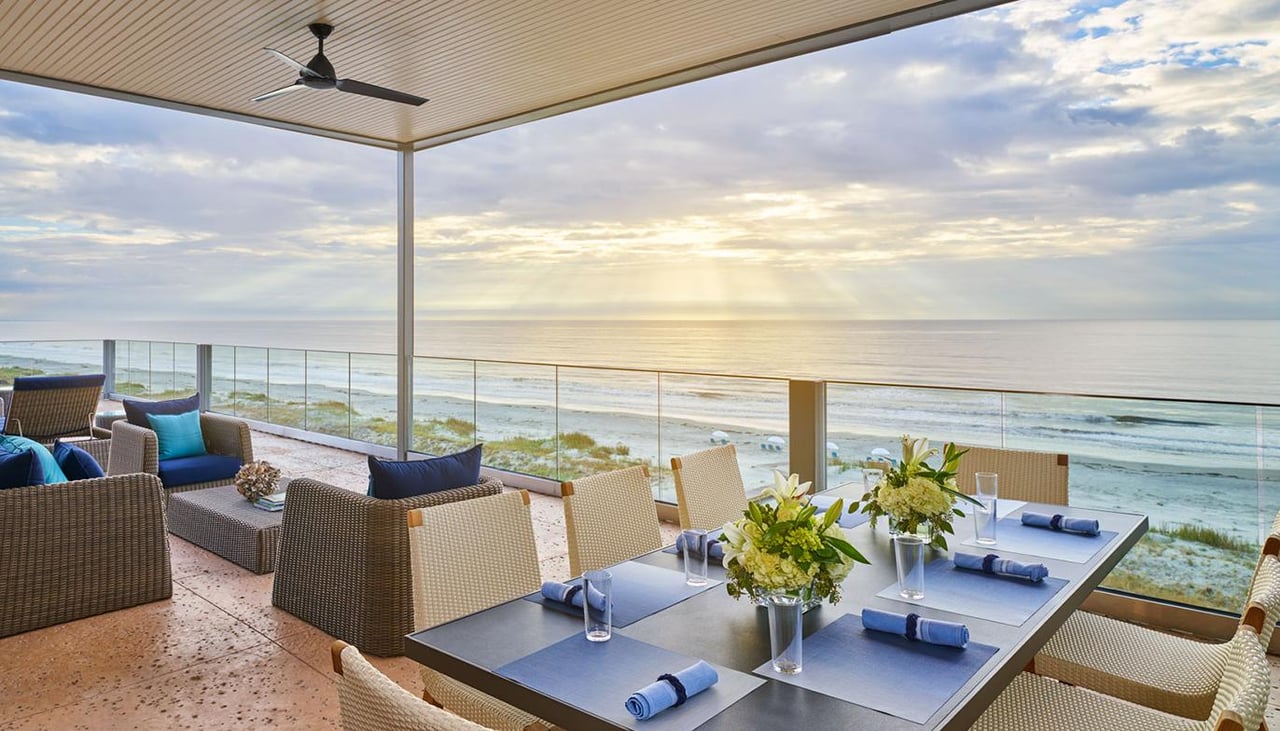
A five-star property in a five-star location with five-star service might be the best way to describe this vision of luxury fractional ownership. Add to that the lower costs as a result of shared usage and ownership and it is easy to see why residence clubs and upscale fractional ownership have fast become one of the hottest trends in resort real estate.
When you become a member of a residence club you participate in the shared ownership of the real estate.
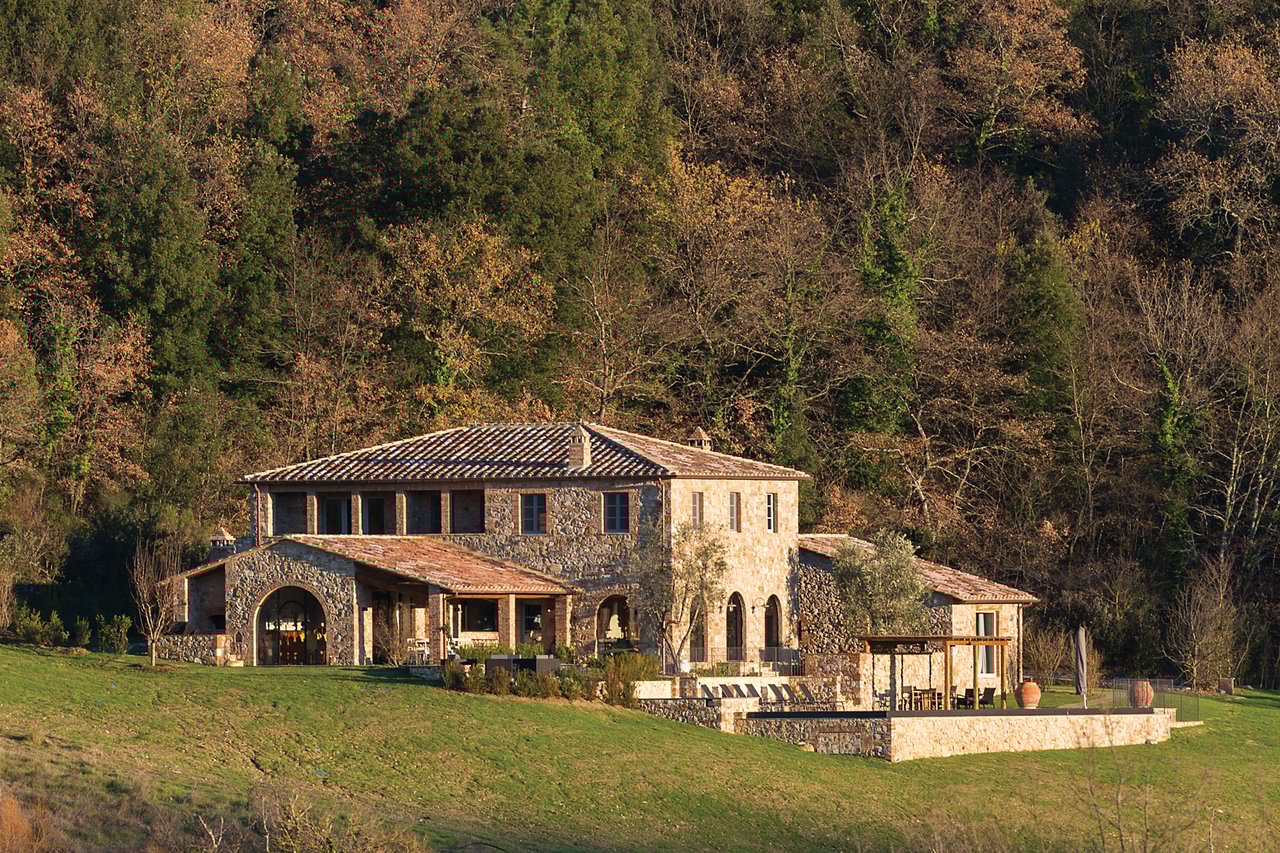
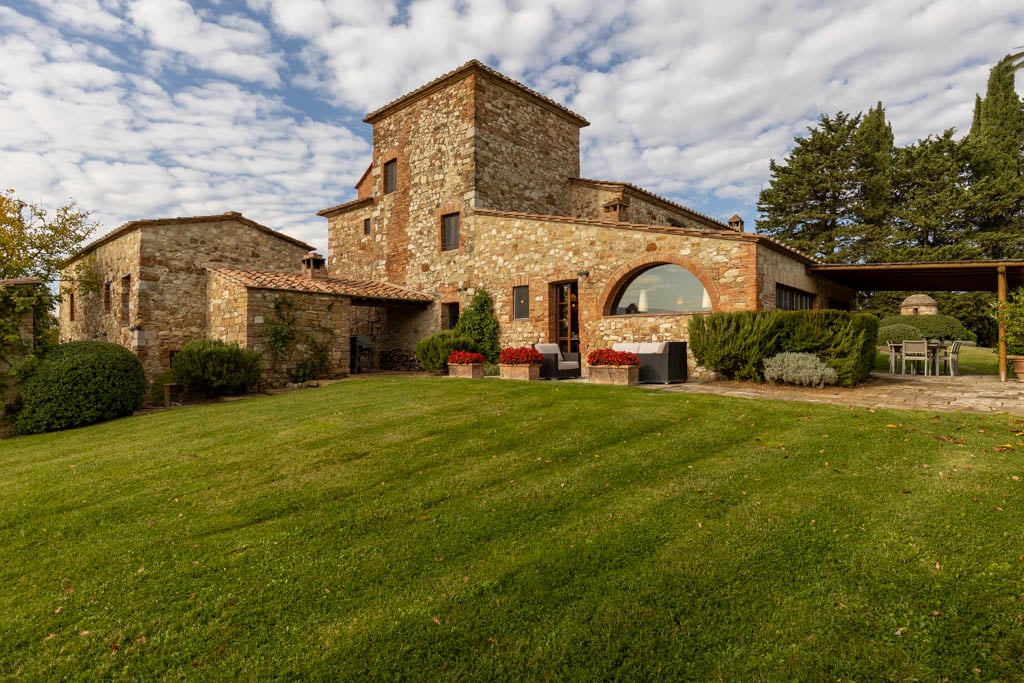
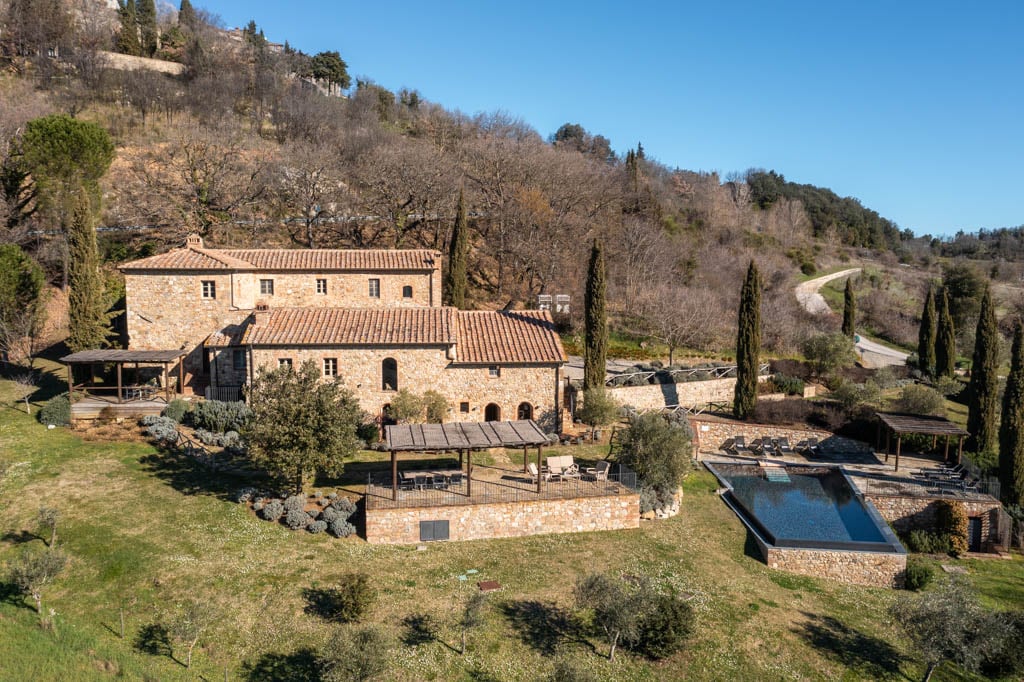
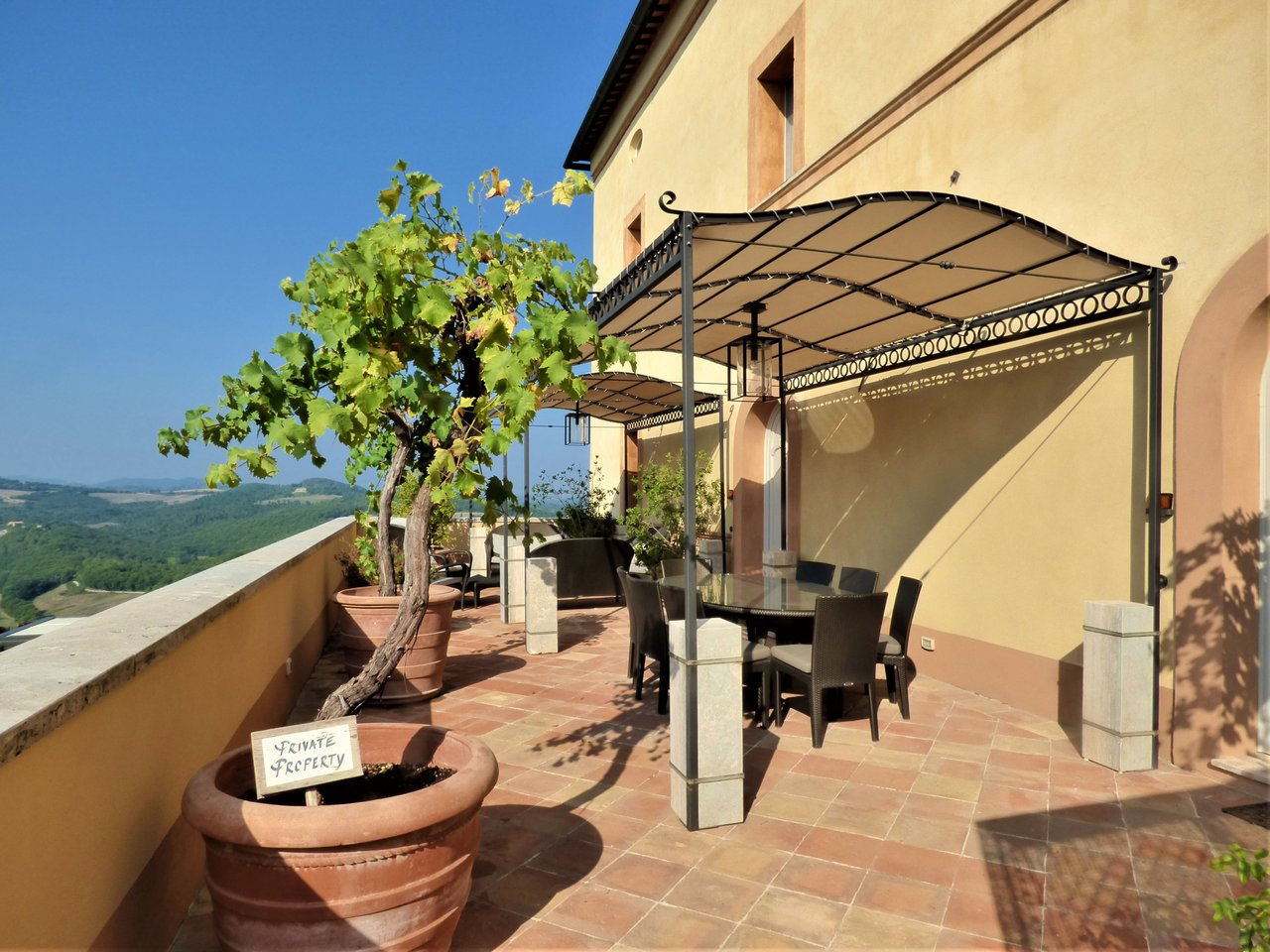
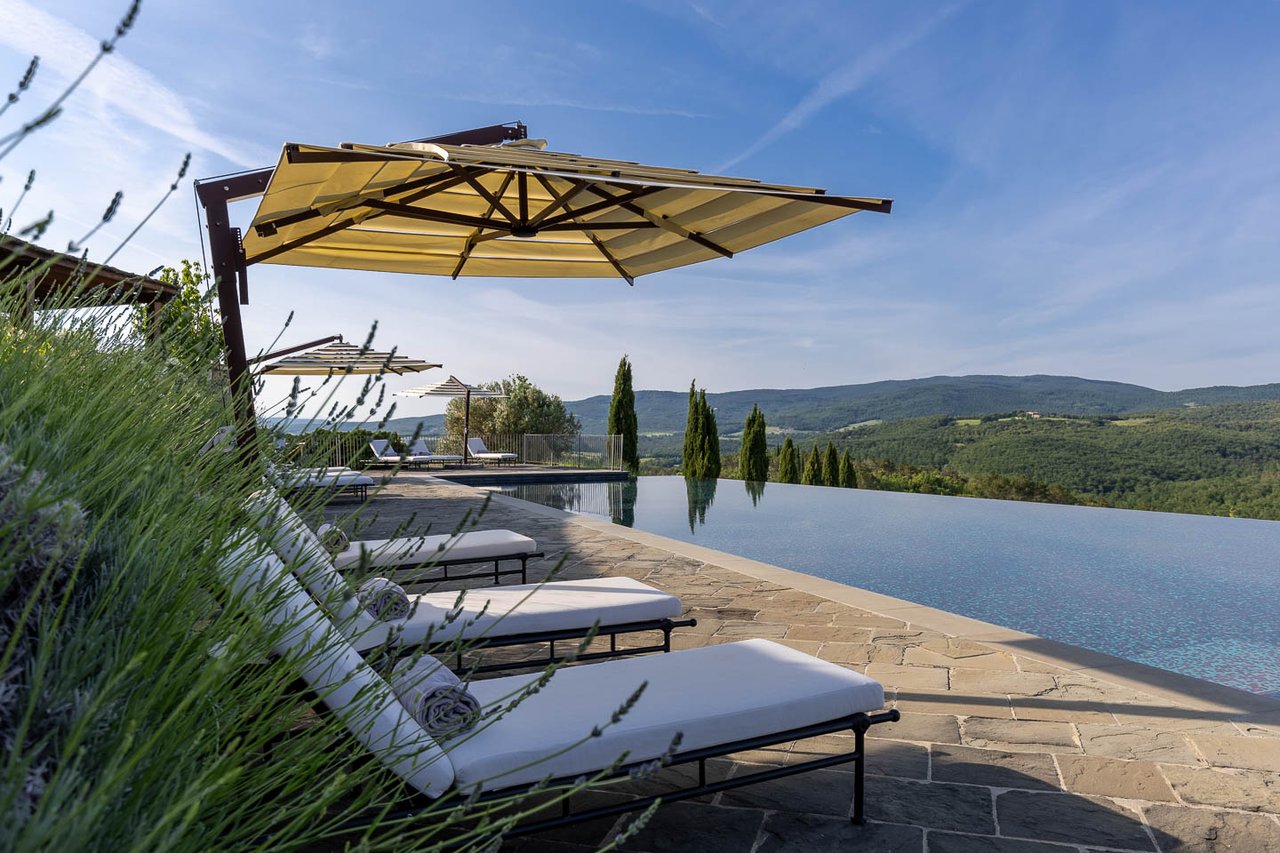
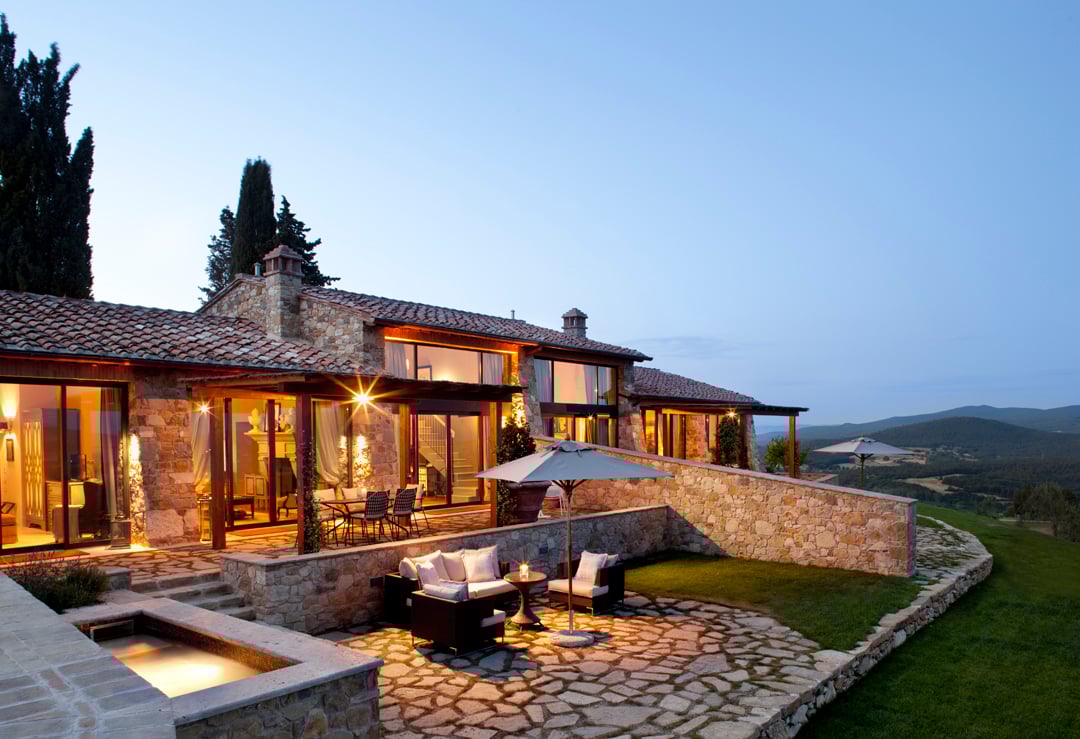
Private Residence Clubs are everything the name suggests. They are private, often restricting usage to the member and their guests. The homes are upscale and sumptuous with top of the line accoutrements and decor. While the club concept adds a cachet of exclusivity, it also implies a congeniality that comes from shared experiences as well as a facility large enough to ensure a menu of activities and a high level of personal service.
Quite often, residence club owners are met at the airport and arrive at their residence to find the refrigerator and pantry pre-stocked to their specifications, a fire warming the hearth and sometimes a welcoming meal already prepared. At some clubs, an SUV or luxury car might be in the garage. Pre-arrival services include placing personal items, which are stored at the club, in the residence. Family pictures, clothing hung in the closets, all make residence feel like home. Golf clubs, skis, sports equipment are readied for use. That means that not only are lift tickets purchased, but that skis are tuned and ready for first traks. Some residence clubs include memberships in top golf clubs. Additionally, daily breakfast in the club-house, gatherings like a weekly oyster roast or special event are standard fare at some.
Private Residence Clubs and Timeshare
It would seem that Residence and Destination Clubs are a new twist on timeshares but the only thing these two have in common is the concept of shared costs commensurate with usage. Typically Timeshares offer a week or two, in a one or two bedroom basic units. Essentially, timeshares are a three star hotel that is available to timeshare members for a vacation week a year.
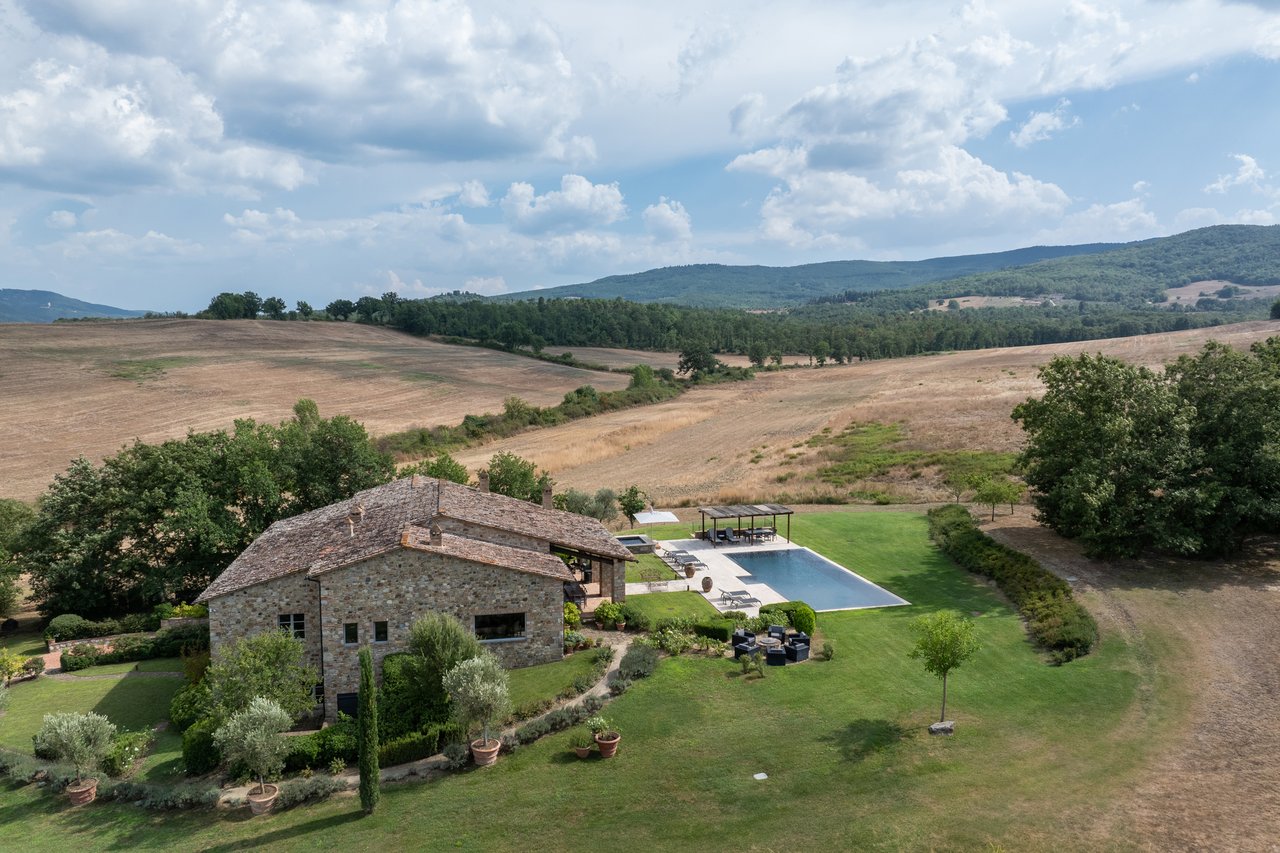
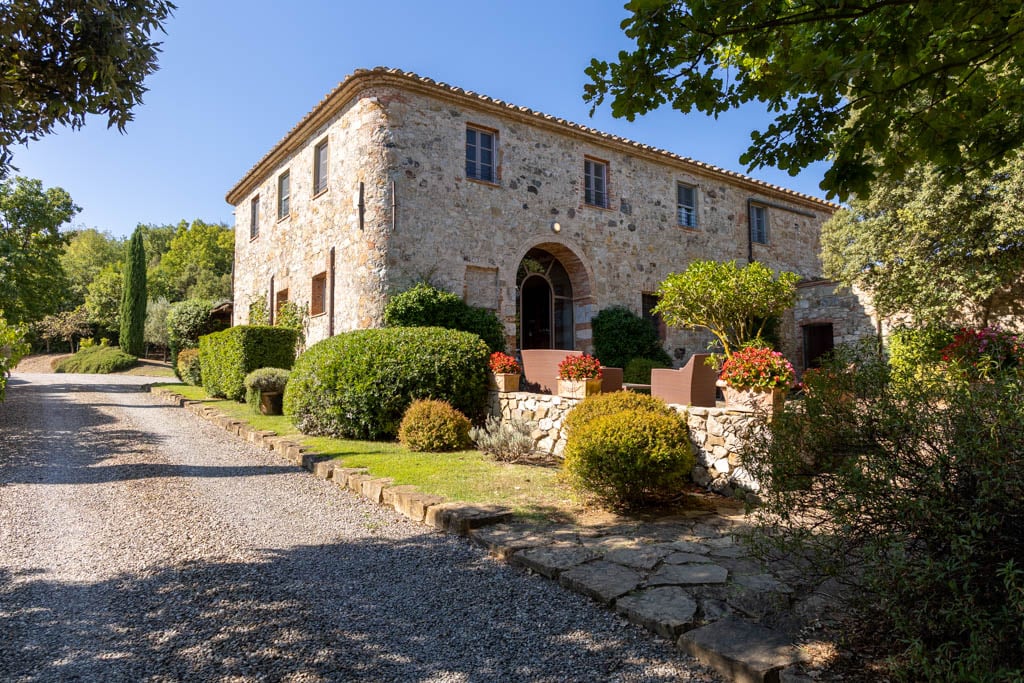
Residence Clubs offer multiple weeks at different times of the year, most often in a stand-alone luxury home. In essence, a vacation home that is shared among members of the Club.
Timeshare owners expect little more than a key on arrival and maintenance staff on call. Residence or Destination Club owners are greeted by a full staff led by a concierge.
In addition Private Residence Clubs promise a return on investment as Club members collectively own the real estate of the Club, while timeshares are difficult to resell and typically do not offer increasing equity.
Private Residence Clubs versus Whole Ownership
Ask Residence or Destination Club owners what they like best about owning a fractional vacation home and chances are their reply will be something like: “You just show up and you have fun.” Owners quickly discover that the best part of a PRC is the freedom it affords to simply enjoy without concerns about details like arranging activities or childcare or even “what’s for dinner?”. PRCs offer a range of service almost unattainable for individual owners from impossible to wrangle dinner reservations to a private chef. Gone are maintenance problems that typically dog absentee owners. Clubs have travel specialists ready to arrange every facet of the vacation and to coordinate arrivals with onsite personnel.
Additionally, most clubs allow members to combine weeks and use several houses during a stay, which is most important to a consumer whose vision of vacation often includes family and friends.
What are Destination Clubs?
Like Residence Clubs, Destination Clubs provide members with exclusive access to luxury vacation homes and condo suites complete with high-end amenities and staffing.
Rather than deeded equity in real property as in a Residence Club, consumers purchase a membership in a club, which entitles usage of the Destination Club’s luxury properties. Membership is either capped or the club pledges to maintain a specific ratio of members to residences.
Clubs require a one-time membership deposit, which can range from $100,000 to over $1 million. Sometimes there is a term of membership with 30 years being typical if such a term is stipulated. Most clubs guarantee that a large percentage of the deposit will be returned if and when a member decides to leave the club. A few return a 100 percent of the fee, but the typical refund is 80 percent. Each Destination Club has a different policy, so it is important to completely understand if, when, and how the fees will be returned.
In addition, Destination Club members pay annual fees for club usage. Membership and fees differ from club to club. Many offer several levels of membership offering from 20 days of usages to an unlimited number. Others offer corporate and family memberships in additional to individual memberships. All also levy yearly dues, and some also charge a nominal per diem charge.
Recent contenders in the Destination Club arena have added some type of security for members. It might be an insurance policy or some equity ownership arrangement. Some clubs return a portion of the appreciation of the homes to members each year.
Real Estate Drives Club Value
Since there is no real estate purchase involved, it is interesting that Destination Clubs fall into the real estate arena at all. But make no mistake about it, Destination Clubs might offer memberships, but like Private Residence Clubs they are all about real estate. Central to each is an inventory of properties, and perhaps nothing defines a club, Residence Club, high-end fractional or Destination Club, more than the value of the homes. For example, many of the top Destination Clubs publicize a home value of $3 million or more.
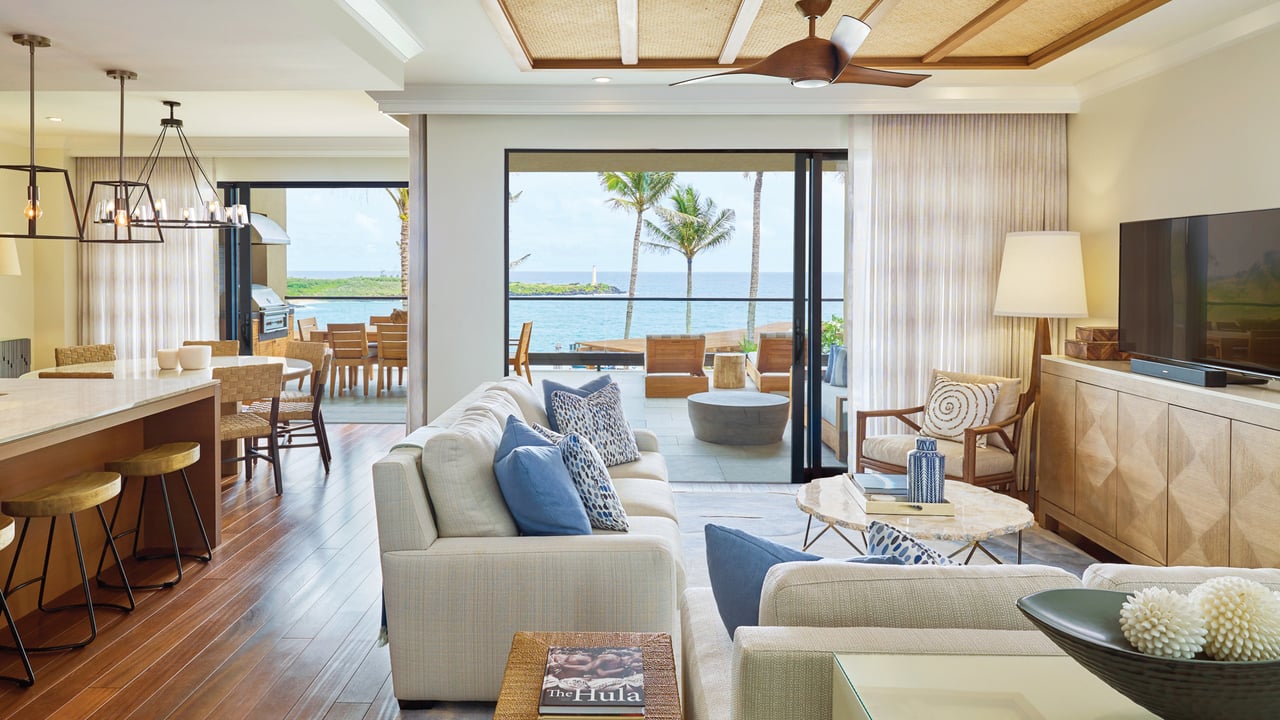
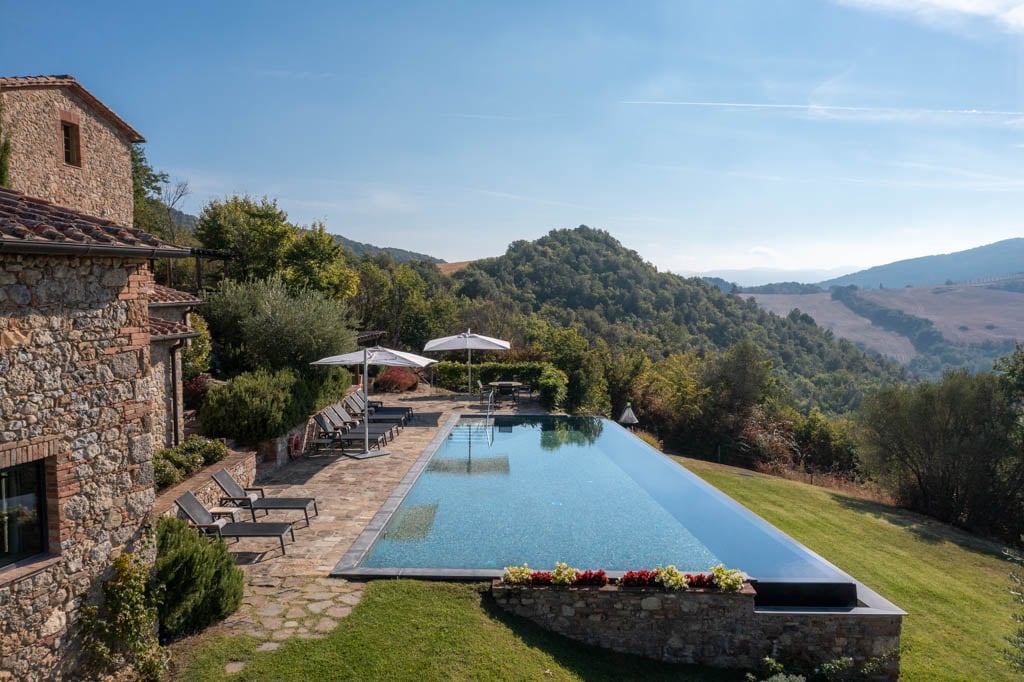
The more exclusive the club, the better the home, the more desirable the location. And, as price goes up, the list of bells and whistles grows ever longer. Private Residence Clubs typically have three or more bedrooms with at least two master suites. Designer linens, Viking stoves, Sony Play stations, Xboxes, hot tubs, private pools, in home professional quality gyms all add a quotient of upscale pampering. Even high-end fractionals are outfitted with plasma TVs, granite kitchens and marble baths. Top clubs frequently have a notable designer and or architect participating in the development.
Most Destination Clubs offer a mix of properties including apartments on cruise ships and yachts. With 25 percent reporting a net worth over $10 million, club members are an affluent crowd.
More Clubs in More Places -- Regional and Global
The first wave of Residence Clubs was in Rocky Mountain ski areas, a natural venue because of the short ski seasons. Ski areas followed by beach and golf locations still top the list of residence club settings. However, the thrust of development for new clubs ranges from getaways near major metros to international resort destinations including Europe, the Caribbean and Mexico.
Urban Retreats
Back to the city is a big trend in real estate in general with homeowners who traded city for suburban decades ago taking a new look at urban abodes. Private Residence Clubs and Destination Clubs are in destination cities such as New York, San Francisco, Paris, and London.
Special Interests
The newest wave of Private Residence Clubs facilitate the realization of passionate pursuits allowing residents to live the dream whether that is owning a share of a vineyard and participating in special tastings or being able to play the legendary course at St. Andrews every year.
Private Preserves
Private Residence Clubs owners typically attract a demographic which places as high a premium on experiences as it does on lifestyle and family. Sporting clubs, both fractional and whole ownership, speak to a range of interests that include shooting, fishing and equestrian pursuits. Some even have naturalists on staff as well as fishing pros, riding instructors and shooting experts in addition to the normal retinue of golf personnel. Other resort clubs might be wholly owned but they speak to the Private Residence Club experience by offering incomparable service, extensive privacy and security and the singular experience that can only be compared to owning a private resort.
Who Buys a Private Residence Club membership?
Entrepreneurs, busy executives, physicians, attorneys ---- anyone who values their limited free time and wants to guarantee that every vacation will meet or surpass their expectations. Essentially anyone who can afford multiple homes and who also has the time to enjoy them purchases a Private Residence Club share or membership because they simply do not want the obligations that owning three, four or five vacation homes entails. They too have discovered the gathering the family in multiple locations already furnished with equipment for all ages is much more pleasurable than having to organize it themselves.
Consumer Satisfaction
Private Residence Clubs and Destination Clubs have a surprisingly high level of consumer satisfaction and developers have been quite forthright in making membership available for industry studies. According to Ragatz Associates, an international consulting and market research firm to the resort industry, conducts a yearly assessment of the fractional market. The research reports a satisfaction rate of 92.7 percent among high value fractional and Private Residence Club owners. Additionally, the best clubs take great pains to ensure that members are happy.
Industry Challenges
The industry has had its share of failures as property developers have over capitalized and have not been able to sell as many shares or memberships as anticipated. Nevertheless, on the whole, the industry has undergone boom times in recent years.
In addition, perhaps the single biggest challenge for clubs is to cost effectively assure occupancy during prime vacation weeks without overextending resources. It’s a fine balance and one that must be maintained in order to ensure member satisfaction.
ABCs of PRCs
- Autos – Some clubs include a car as part of the package with each home.
- Capped Membership – Typically, Destination Clubs will cap the number of members in a club, often to ensure a favorable Member to Home Ratio.
- Daily Fees – some Destination Clubs charge a fee for use of an individual property. Daily fees for Private Residence Clubs are typically charged for usage on a space available basis.
- Destination Club - Destination Clubs offer memberships that allow access to multiple homes in a wide range of destinations for a contracted period of time. Unlike residence clubs, there is no deeded interest in real estate.
- Exchange – Stand alone Private Residence Clubs offer opportunities for owners to use their weeks at other Private Residence Clubs. Most are facilitated through corporate or affinity relationships.
- Float Time - Weeks in shoulder seasons at resorts that have a prime summer and winter seasons. Often, space in float time is offered on a space available basis at no extra cost or for only a nominal per diem.
- Fractional Ownership – Shared ownership in which a number of unrelated individuals purchase real estate and receive a deeded interest. Usage is divided among the members.
- Member to Home Ratio – The balance of members to homes in a Destination Club.
- Membership Deposit or Fees – A Destination Club membership requires the payment of a one time membership fee.
- Private Residence Club – Or PRC -- Upscale vacation home fractional ownership geared to affluent consumers that bundles a luxury home with an onsite, private club for members and five-star service.
- Quartershare – Fractional ownership where each owner receives a three month ownership interest with a rotating schedule. Typically, these products are not as luxurious as Private Residence Clubs, do not have the range of services and do not have a Residence Club.
- Refund Policy – Destination Clubs typically refund all or a sizable portion of the membership deposit. Most have at policy that keys refunds to a specific number of new incoming members.
- Rotating Calendar Systems – Weeks that are assigned to each owner change on a predetermined basis keyed to the calendar year.
- Rotating Priority Systems – One type of reservation system in which owners select their choice of weeks based on a rotating priority system.
- Share – Any of the equal portions into which a fractional property is divided.
- Sporting Club – A club, either wholly or fractionally owned, that offers a range of sporting activities such as shooting, equestrian and fishing.
- Timeshare – Fractional ownership in which the fraction represents only a week or two of occupancy. Timeshares are often viewed as purchased vacation time.
- UDI --- Undivided Deeded Interest – Ownership in a residence club is usually evidenced by a deed representing an undivided deeded interest equal to the size of the fractional share purchased in a specific unit.